
Modern Standard Arabic اللغة العربية الفصحى
The written Arabic of every Arab country — taught as one structured path.
Four levels, from the alphabet to academic command. The Al-Ain Series takes non-native speakers through reading, writing, grammar and formal communication, in Amman or online.
مَنْ عَرَفَ لُغَةَ قَوْمٍ أَمِنَ مَكْرَهُم
Why Fusha لماذا الفصحى
One Arabic, understood from Morocco to Oman
Spoken Arabic changes every few hundred kilometres. Modern Standard Arabic does not. It is the Arabic of newspapers, broadcasts, contracts, universities and official life across the whole Arab world — and the shared ancestor every dialect grew out of.
Read what matters
News, reports, legal documents, academic papers and literature are written in Fusha. Learn it and the written record of an entire region opens up.
The academic route
University Arabic programmes, research fieldwork and language certifications are built on Modern Standard Arabic, not on any single dialect.
A foundation for dialects
Fusha gives you the root system, the grammar and the vocabulary that every dialect draws on. Learners who start here pick up spoken Levantine markedly faster.
How Arabic is built نظام الجذور
Learn three letters, unlock a family of words
Arabic words are not memorised one by one. Almost every word grows from a root of three consonants, poured into fixed patterns. Once you know the root and the patterns, you can read a word you have never seen and still guess its meaning.
Six words, one root, no memorising six separate items. This is the logic our course is built around — and the reason a structured Fusha programme compounds faster than picking up phrases.
The curriculum سلسلة العين
The Al-Ain Series — four books, one continuous path
Each book runs 240 teaching hours across 12 units — 960 hours across the full series. You join at the level your placement puts you in, not at book one by default.
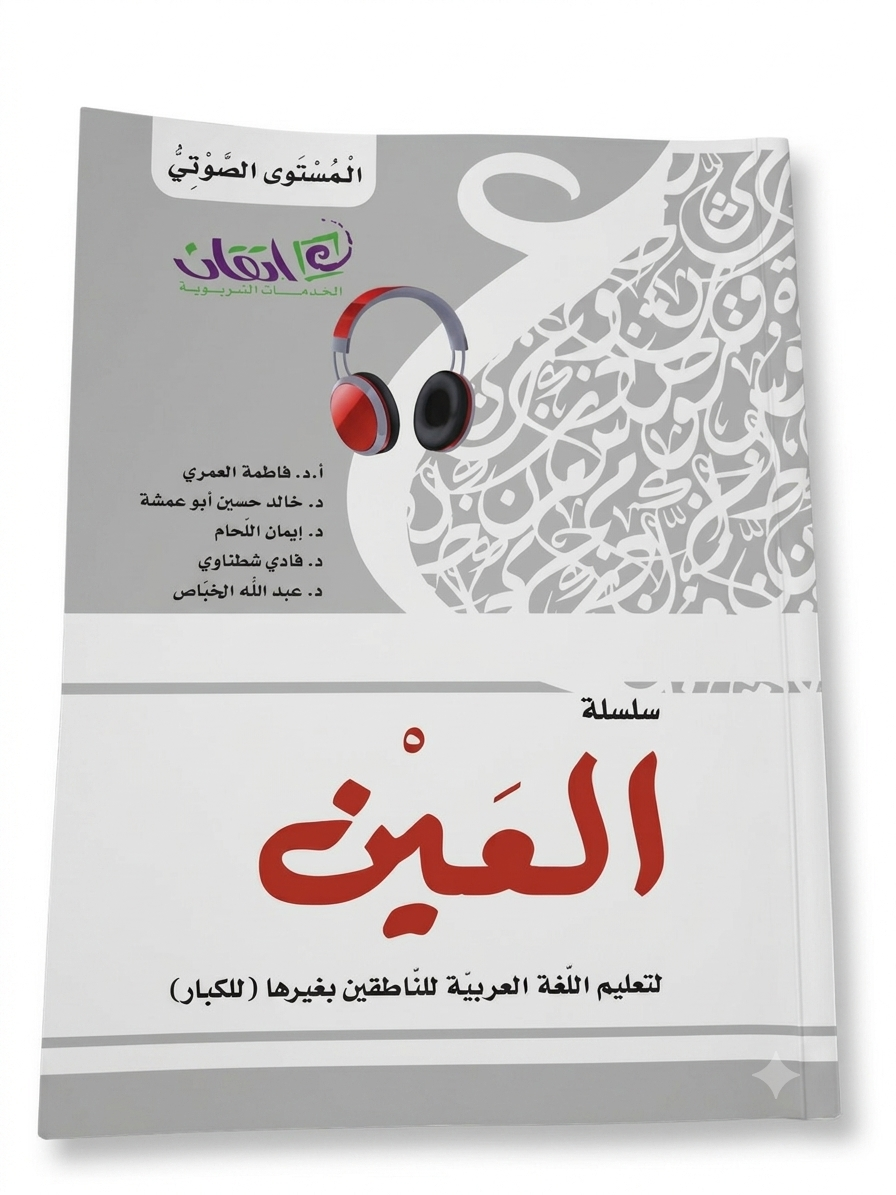
Book 1 · Elementary
Foundational daily communication: introducing yourself, housing, shopping, routines and general health.
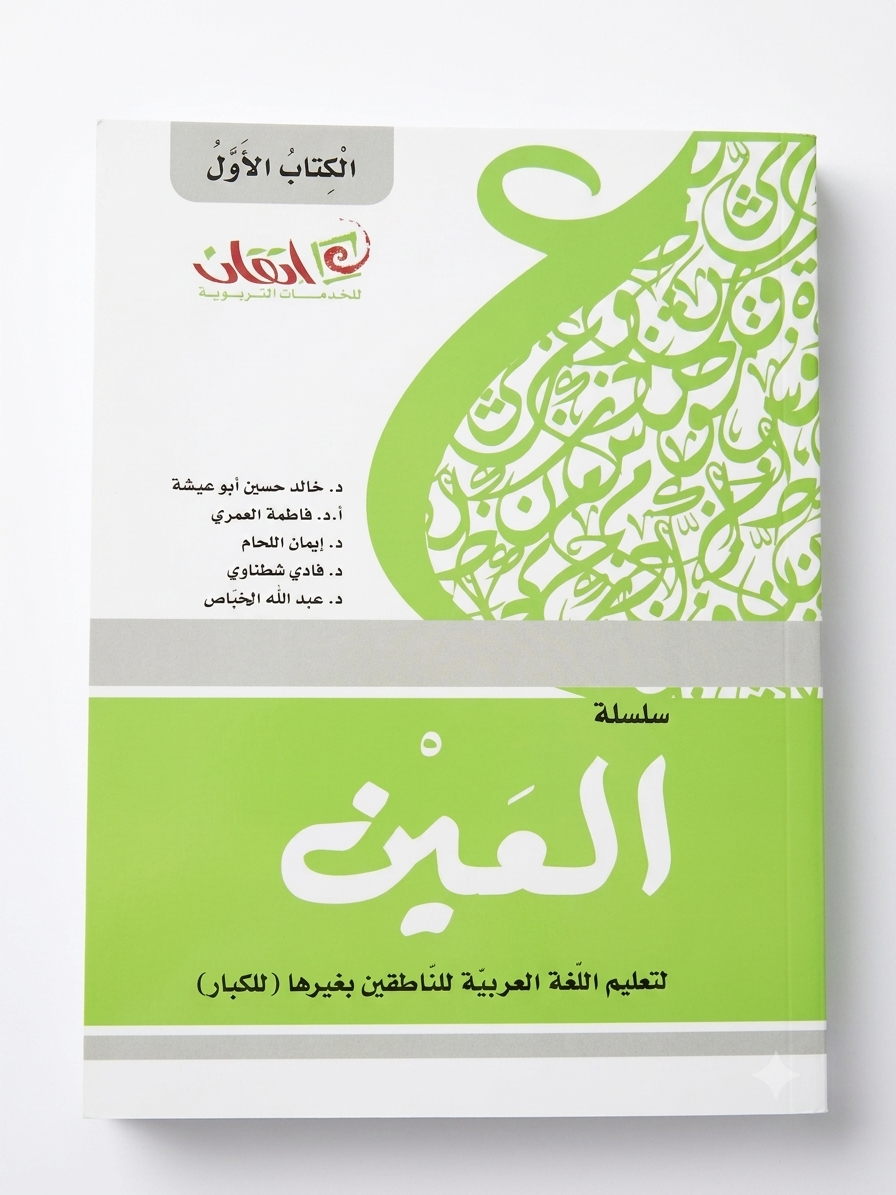
Book 2 · Intermediate
Express opinions and handle fuller social situations: money, technology, emergencies and traditions.
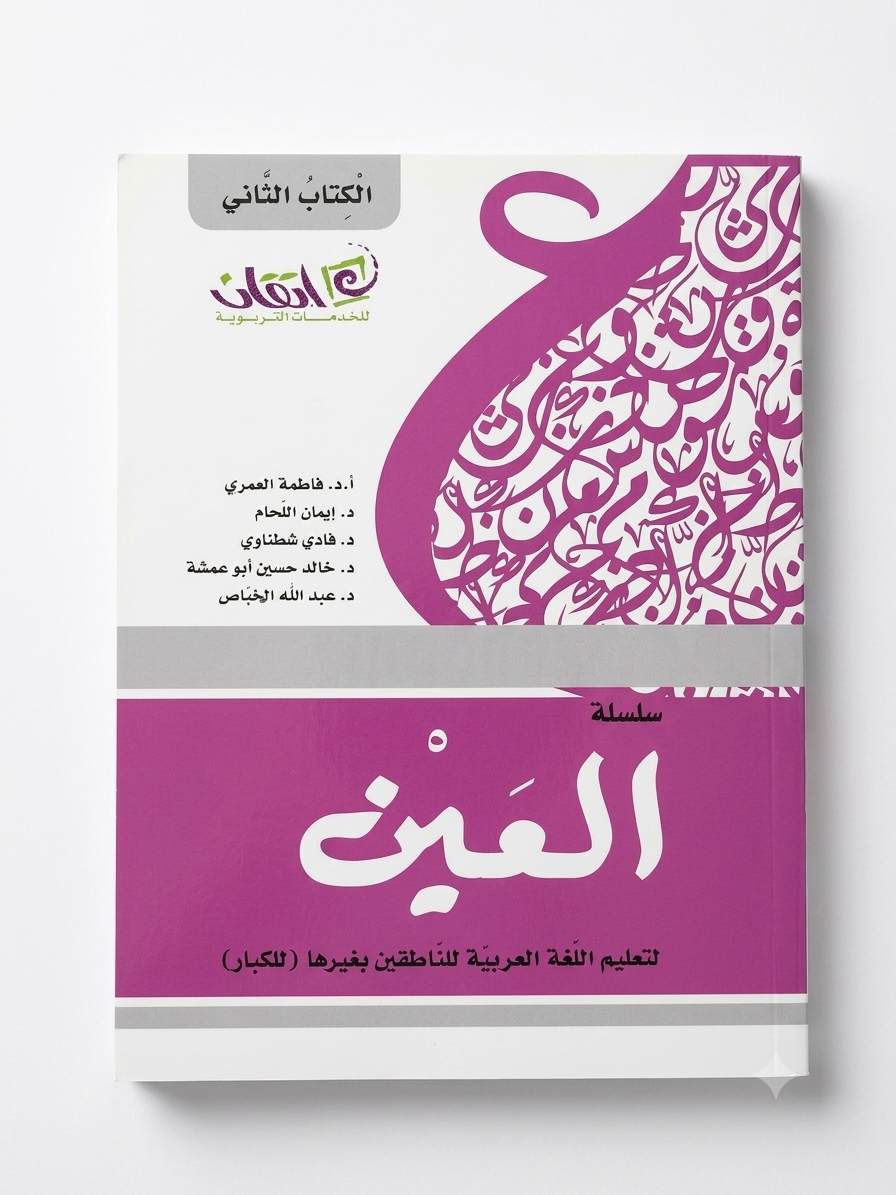
Book 3 · Advanced
Analytical texts, media and online journalism, social issues, modern poetry and classical heritage.
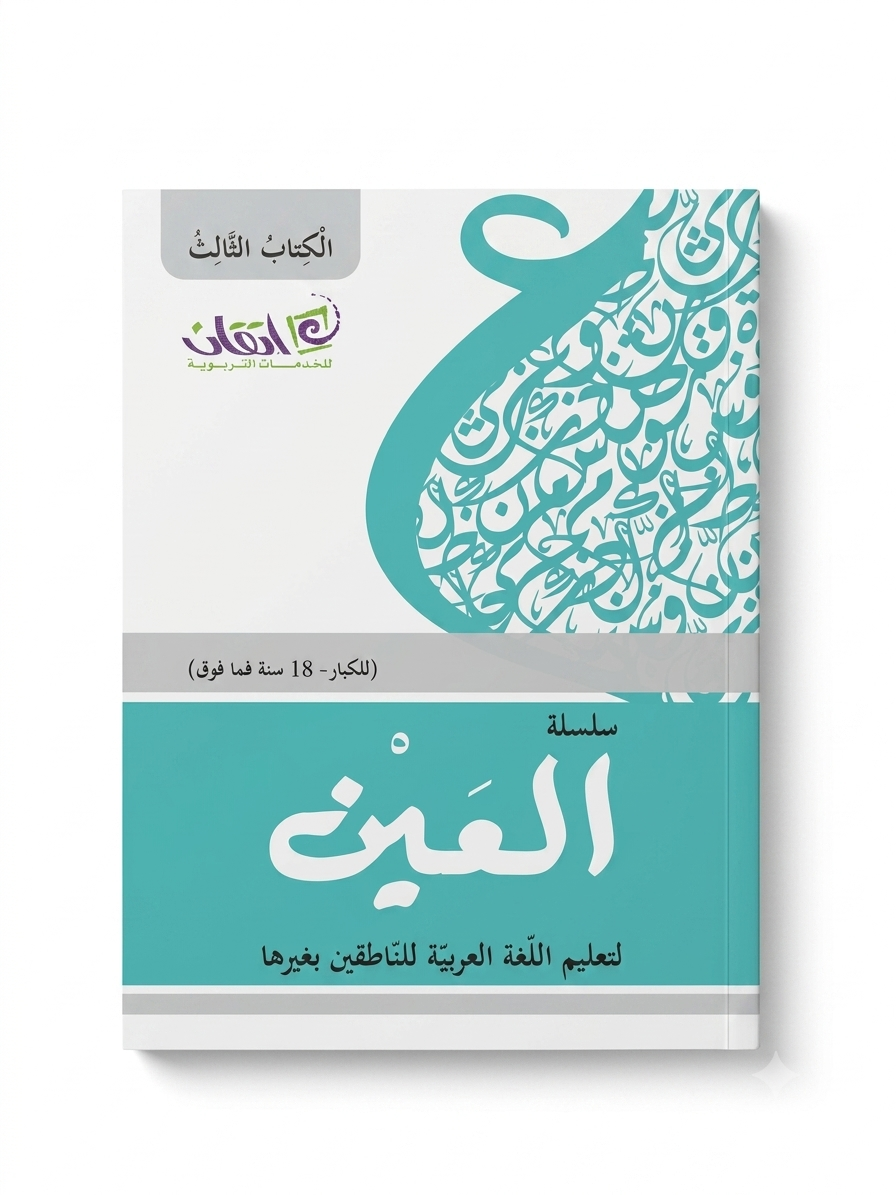
Book 4 · Mastery
Academic command, formal eloquence, linguistic analysis, rhetorical speech and critical reading.
What you walk away with مخرجات التعلّم
Understand the language of media, literature and education
Six things every learner should be able to do by the end of a level — the checklist your teacher assesses against.
Core learning outcomes
- ✓ Read Arabic texts with greater accuracy
- ✓ Write clear sentences and organised paragraphs
- ✓ Understand essential grammar and verb patterns
- ✓ Build formal and academic vocabulary
- ✓ Follow news, presentations and educational content
- ✓ Create a strong foundation for learning dialects
How the course runs كيف تسير الدورة
Built around your week, not a fixed term
Placement first
A short written and spoken assessment before you start, so you begin at the right book and unit rather than repeating what you already know.
One-to-one, pair or group
Study alone, with a friend at the pair rate, or in a group of three to six. A teaching hour is 55 minutes in every format.
In Amman or online
Attend at our centre in Jabal Al-Weibdeh, or take the same curriculum online. Online lessons run 9:00 to 21:00 Amman time, seven days a week.
Choosing a track الفصحى أم الشامية؟
Fusha or Levantine — and why many learners take both
اللغة العربية الفصحى
Modern Standard Arabic
The written and formal register, identical across every Arab country.
- Reading, writing, grammar and academic work
- Media, official documents and correspondence
- Recognised by universities and language certifications
- The structural foundation under every dialect
اللهجة الشامية
Levantine Arabic
The everyday spoken Arabic of Jordan, Palestine, Syria and Lebanon.
- Conversation in the street, the taxi, the market
- Living and working in the region
- Fastest route to being understood day to day
- Not normally written, and it differs by country
A common pattern among our students: Fusha as the backbone, with a weekly Levantine session for speaking. Tell us your goal at the placement stage and we will propose the split.
Fees الرسوم
Clear rates, and a free lesson before you commit
The essentials
- Length of one teaching hour55 minutes
- Hours per level240
- FormatsOne-to-one · pair · group
- Group size3–6 students
- Registration feeJD 15, one time
- PaymentCard, PayPal, bank transfer, cash
Hourly rates fall as your weekly hours rise, and pair or group study costs less per person than one-to-one.
Start with a free trial lesson
A full lesson with a teacher, at no cost. It doubles as your placement: you finish it knowing which book and unit you belong in.
Questions أسئلة شائعة
What learners ask before starting
I have never studied Arabic. Where do I start?
At Book 1, with the alphabet and the sound system. No prior knowledge is assumed, and the first units are built for people who cannot yet read the script.
How long does one level take?
A level is 240 teaching hours, and the full four-level series is 960. How long that takes depends entirely on your pace: an intensive schedule of 20 hours a week finishes a level in about three months, while two hours a week is a longer, steadier route. We will map the calendar to your hours before you start.
Do I have to begin at Book 1?
No. If you have studied Arabic before, a placement assessment puts you at the right book and unit. Repeating material you already know is the fastest way to lose motivation.
Should I learn Fusha or Levantine?
Fusha if your work involves reading, writing, research or study. Levantine if your priority is talking to people around you day to day. Many students do both — Fusha as the main track with a weekly speaking session.
Can I take the course online?
Yes, with the same curriculum, the same books and the same teachers. Online lessons run from 9:00 to 21:00 Amman time, seven days a week.
Is the trial lesson really free?
Yes. No charge and no payment details taken beforehand. It is a real lesson, and it is also how we place you at the right level.
Will I get a certificate?
Yes. On completing a level you receive a certificate stating the level, the hours completed and the CEFR band it corresponds to — useful for universities and employers.
What does the course cost?
Rates depend on the format and how many hours you study each week, plus a one-time registration fee of JD 15. The full table is on our prices page.
ابدأ من حيث أنت
Find out which level you belong in
Book a free lesson and finish it knowing your starting book, your unit, and how many hours a week will get you where you want to be.